编者按:2025年7月11日至12日,2025高博血液学术大会在北京隆重召开。本次大会汇聚国内外造血干细胞移植、靶向与免疫治疗、儿童血液肿瘤、护理、血液病诊断等多学科专家学者,共同探讨血液病诊断与治疗的最新进展,旨在进一步提升血液病患者的治愈率与生存质量。会议期间,《肿瘤瞭望-血液时讯》特邀纽约医学院儿科系Mitchell S.Cairo教授进行采访,结合最新临床研究数据,系统阐述了免疫治疗时代下淋巴瘤诊疗的变革方向,为临床实践提供了重要参考。
Q1
在成熟B细胞淋巴瘤的治疗中,CAR-T与双特异性抗体各有哪些优势与局限?您如何为不同临床情境选择最佳方案?
Mitchell S.Cairo教授:当前针对成熟B细胞淋巴瘤的免疫治疗领域正呈现出显著进展,其中CAR-T细胞疗法与双特异性抗体等新型治疗手段已成为复发/难治性病例的重要治疗选择。传统治疗格局中,CAR-T细胞疗法及抗体药物偶联物(ADC)或双特异性抗体在复发/难治性成熟B细胞淋巴瘤患者中展现出显著疗效,尤其对于复发难治的弥漫性大B细胞淋巴瘤(DLBCL)成年患者,CAR-T细胞疗法不仅具有高有效性,还可作为自体干细胞移植的替代方案。同样,部分双特异性抗体在二线及后线治疗中亦表现出良好的抗肿瘤活性,成为该患者群体的重要治疗选择。
目前研究的核心问题在于探索此类新型免疫疗法在前线治疗中的适用性。多项临床试验正评估CAR-T细胞疗法在高危弥漫性大B细胞淋巴瘤患者中的早期应用潜力,这类患者经1-2个周期诱导化疗后,可能通过CAR-T治疗避免后续化疗暴露。与此同时,双特异性抗体与R-CHOP或BV-R-CHOP方案的联合应用也处于临床验证阶段。未来数年内,通过上述临床试验数据的积累,将明确双特异性抗体或CAR-T细胞疗法能否作为新诊断成熟B细胞淋巴瘤患者的一线治疗选择,从而进一步优化治疗策略并改善患者预后。
In the treatment of mature B-cell lymphomas , what are the respective advantages and limitations of CAR-T versus bispecific antibodies , and how do you choose the optimal approach for varying clinical scenarios?
There are now emerging new immunotherapy approaches for mature B-cell lymphoma. You mentioned a couple of them: CAR-T cell therapies and antibody drug conjugate, other types of antibody therapies. The current landscape for treating mature B-cell lymphoma has in the past utilized CAR-T cell therapy and antibody drug conjugate or bispecific antibody therapies in the relapsed or refractory setting, and the results have been extremely positive. In particular, CAR-T cell therapy has been very effective for adults with diffuse large B-cell lymphoma in the relapsed refractory setting, as well as utilizing this therapy to avoid autologous stem cell transplantation in the relapsed refractory setting. Same is true for a number of bispecific antibodies. They have been very effective in the second line sometimes third line therapy for adults with mature B-cell lymphoma. The real question is can they be incorporated in the frontline setting. So we do have a number of studies that are ongoing now that are testing whether CAR-T cell therapy can be used for high-risk patients with diffuse large B-cell lymphoma that have been treated with one or two cycles of induction therapy and to avoid remainder of their chemotherapy. And the same is true for the bispecific antibodies. They are now being tested in combination with R-CHOP or in BV-R-CHOP. And I think over the next couple of years, we're going to find out whether bispecific antibodies or CAR-T cell therapies can actually be used in newly diagnosed adult patients with mature B-cell lymphomas.
Q2
对于AYA(青少年和青年成人)患者,长期毒副作用和生活质量尤为重要。您能分享如何在靶向免疫疗法设计中平衡治疗强度与长期安全性的策略吗?
Mitchell S.Cairo教授:在青少年及年轻成人(AYA)患者群体中,成熟B细胞淋巴瘤与霍奇金淋巴瘤的治愈率呈现显著提升趋势,尤其在规范化诊疗体系下,多数患者可获得临床治愈。然而回顾过去四十年的治疗发展历程,传统以化疗联合放疗为核心的治疗模式虽有效,但长期随访数据显示,该方案可能导致远期毒性反应,包括继发性恶性肿瘤、生育功能损伤、心血管疾病、甲状腺功能障碍及肺纤维化等慢性健康问题,严重影响了患者治愈后的生活质量。
针对这一临床痛点,我们美国团队正牵头开展相关研究,致力于通过靶向免疫治疗策略的优化,在保证疗效的同时降低治疗强度。研究重点包括在保证抗肿瘤活性的前提下,减少化疗药物暴露剂量与周期,并逐步探索去放疗的可行性。初步临床数据表明,将创新型免疫治疗药物与传统化疗进行合理组合,可在保证高缓解率(总体生存率达95%-100%)的基础上,显著降低治疗相关毒性发生率,受试患者均未出现严重器官功能损伤或继发恶性肿瘤等不良事件。
基于当前研究进展,我们对于AYA淋巴瘤治疗模式革新持乐观态度。通过持续深化精准医学理念,优化靶向免疫治疗药物的应用场景,未来有望建立完全脱离传统化疗与放疗的新型治疗体系,在维持高治愈率的同时,实现患者远期生存质量的根本性提升。这一研究方向不仅符合当代肿瘤治疗减毒增效的发展趋势,更为改善AYA肿瘤患者长期预后提供了创新性的临床解决方案。
For AYA patients, long- term toxicity and quality of life are paramount. Could you share strategies for balancing treatment intensity with long- term safety when designing targeted immunotherapy regimens?
the cure rates are high in adolescent and young adults with both mature B-cell lymphoma as well as Hodgkin lymphoma. However, past therapies over the last four decades have shown that current therapies that use traditional chemotherapy combination with radiation therapy lead to a significant number of late effects, chronic health conditions, infertility secondary malignancy, heart disease, thyroid disease, pulmonary disease and so on. And so our group in the US has been leading an effort to try to avoid these late effects by incorporating targeted immunotherapy and reducing their exposure with chemotherapy and ultimately eliminating radiotherapy altogether. And the early results suggest that if we can combine innovative immunotherapy and reduce chemotherapy and eliminate radiation therapy, not only do we have a high success rate of over 95 close to 100% survival, none of these patients are showing any signs of toxicity such as infertility or cardiac disease or secondary malignancy. So I think the future looks bright for AYA patients by continuing precisional approaches with targeted immunotherapy and reducing chemotherapy, hopefully to the point where we'll be able to treat these patients with chemotherapy-free and radiation-free therapy.
Q3
随着基因组学和免疫表型技术的发展,新的生物标志物不断涌现。您认为哪些分子或免疫学标志物最有潜力用来预测和指导儿童及青年患者的靶向免疫治疗?
Mitchell S.Cairo教授:当前在淋巴瘤诊疗领域,生物标志物研究与分子分型技术的突破为临床决策提供了重要支撑。针对微小残留病灶(MRD)的检测,现已建立多重技术路径:其一,通过定量检测与特定疾病关联的标志物实现MRD监测,例如间变性大细胞淋巴瘤中的NPM-ALK基因拷贝数,或伯基特淋巴瘤中的c-Myc/IGH染色体易位;其二,游离循环肿瘤DNA(ctDNA)检测技术的进展,使得在霍奇金及非霍奇金淋巴瘤中通过血液标本定量分析循环肿瘤DNA成为可能,该指标已被验证可作为MRD的替代生物学标志物。基于上述技术,临床可对ctDNA阴性患者实施治疗减量,而对持续性ctDNA阳性患者采用强化或替代治疗方案,以实现分子学完全缓解。
在分子病理层面,非霍奇金淋巴瘤中已鉴定出多个具有预后预测价值的分子亚型,其中P53基因突变与化疗耐药性存在显著相关性,该发现为突变阳性患者提供了个体化治疗策略的分子依据。类似地,淋巴母细胞淋巴瘤中已验证的Notch通路突变、FBWX7基因失活及RAS信号通路异常等分子特征,进一步完善了疾病分型与治疗靶点的关联图谱。霍奇金淋巴瘤领域亦在开展分子标志物的系统性筛选,以期建立覆盖主要病理类型的精准诊断体系。
当前正处于技术转化与临床应用的关键阶段,分子生物学与免疫学技术的进步,不仅提升了疾病诊断的精准度,更为治疗方案的优化提供了科学依据。通过整合生物标志物动态监测与分子分型数据,临床有望构建更加精准的预后评估模型,并最终实现基于疾病生物学特征的治疗策略个性化定制。
With advances in genomics and immunophenotyping, novel biomarkers continue to emerge. Which molecular or immunologic biomarkers do you believe hold the greatest promise for predicting and guiding targeted immunotherapy in pediatric and young adult patients?
So let me talk to begin with on the biomarkers. I think what we're finding today is that we can start to identify minimal residual disease that's present in patients that appear to be in remission but still have circulating tumor. And we can do that in a couple of ways. We can identify a particular biomarker associated with that particular disease. So for instance, with anaplastic large cell lymphoma we can measure the NPM-ALK copies that are in the bloodstream, or in Burkitt's we can measure c-Myc/IGH rearrangements. But more importantly, what's emerging in the biomarker field is what we call free associated ctDNA. And what we mean by that is that we can detect circulating tumor (CT) DNA in the bloodstream both in Hodgkin's and in non-Hodgkin's lymphoma and identify that this biomarker is a surrogate for minimal residual disease and direct our treatment to those who don't have any circulating biomarker for less treatment. And for those who have persistent circulating biomarker, more aggressive or alternative therapy to get them into a biomarker complete remission. On the molecular side, we've identified a number of molecular subtypes in both Hodgkin's and more importantly in non-Hodgkin's lymphoma that actually predict prognosis. Example the P53 mutation seems to be a very powerful mutation representing chemotherapy resistance that occurs in a number of the non-Hodgkin's lymphomas. And this now can be used as a method of directing more therapy or different therapy in patients who have P53 mutations versus those that don't. We have similar mutations that have been demonstrated in the lymphoblastic lymphoma area such as Notch mutations or FBWX7 mutations, RAS mutations and so on. This also can help predict which patients need certain types of therapy and we're beginning to identify molecular markers as well as in Hodgkin's. So I think it's an exciting time and to take advantage of the science and technology that we have in the fields of molecular biology and immunology will further refine our diagnostic capability as well as improve our therapeutic paradigms.
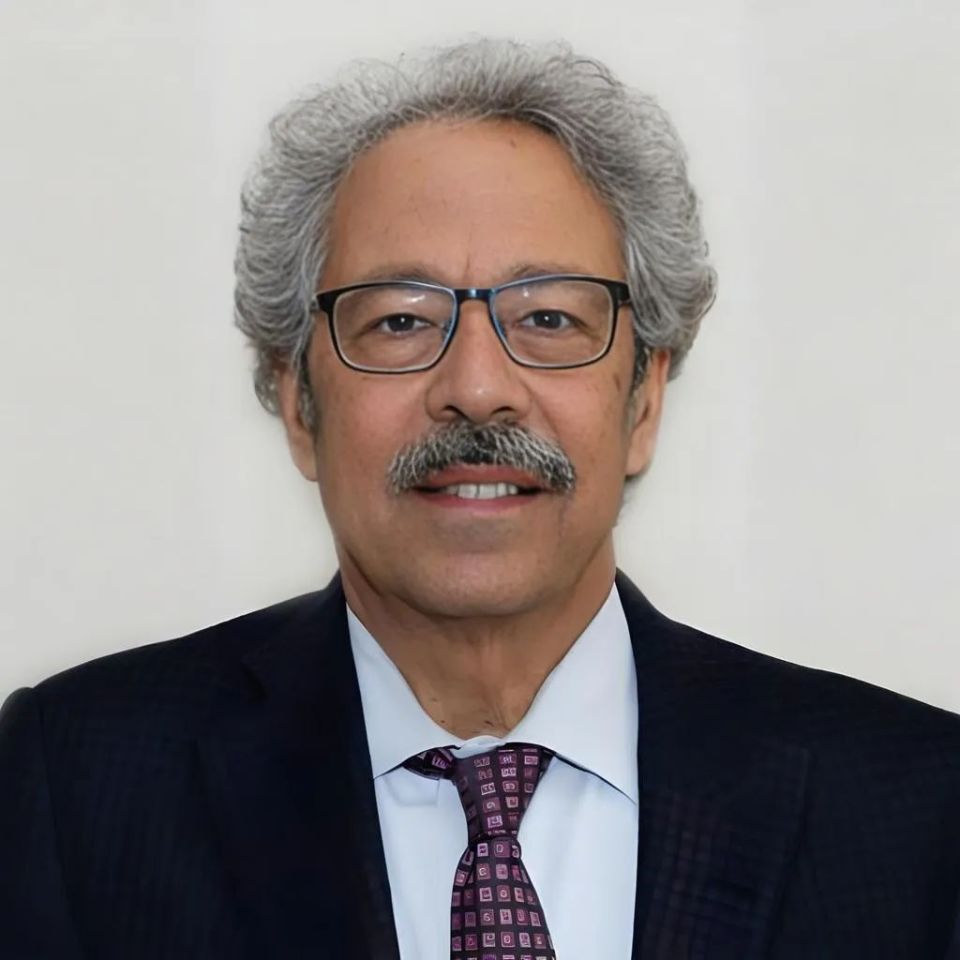
Mitchell S. Cairo 教授
纽约医学院儿科系副主任;
纽约医学院儿科、医学、病理学、微生物学、免疫学、细胞生物学与解剖学教授;
纽约医学院儿科血液学、肿瘤学与干细胞移植首席专家;
纽约医学院儿科血液学、肿瘤学与干细胞移植科主任;
韦斯特切斯特医疗中心及纽约医学院儿童及青少年癌症与血液疾病中心主任;
韦斯特切斯特医疗中心干细胞与细胞治疗实验室医学与科学主任。