在全球医疗创新浪潮中,新兴疗法如CAR-T细胞治疗为恶性肿瘤等重大疾病带来了革命性希望。然而,其普及与应用面临显著的地区不平衡性,中低收入国家在获取这些前沿技术时存在诸多结构性壁垒。2025年11月13-16日,2025国际细胞与免疫治疗大会(CTI 2025)在浙江杭州召开。会议期间,《肿瘤瞭望-血液时讯》特邀伦敦大学学院Alejandro Madrigal教授基于国际视野,以墨西哥为例,深入探讨拉丁美洲地区在推动医疗资源公平可及与引进尖端疗法过程中所面临的核心挑战。
01
墨西哥医疗体系的成就与挑战:公平可及性为核心议题
墨西哥作为人口过亿的国家,其内部社会经济状况的多元性直接导致了医疗资源获取的显著差异。尽管政府致力于推行全民健康覆盖,力求提供符合国际标准的医疗服务,但确保前沿治疗手段的公平可及仍是一项长期而艰巨的任务。在肯定墨西哥本土拥有大量优秀医疗专业人员和高效医疗机构,且公益与私营部门持续贡献力量的同时,必须承认其在医疗创新的全面推广与应用方面,仍有广阔的提升空间。
02
疗创新疗法本土化的主要障碍:商业可行性与监管框架缺失
以CAR-T细胞疗法为代表的先进治疗产品的引入,具体揭示了上述挑战。其商业化引进步履维艰,主要障碍源于两方面:一方面,商业公司因预期经济回报,如医保报销政策、成本效益等,未能达到理想水平而缺乏投资动力;另一方面,本土在专业知识储备、明确的法律法规以及成熟的临床转化平台等方面存在系统性的缺失。这些因素共同构成了创新疗法落地的重要壁垒。
03
破局之路:依托国际合作,培育本土研发能力
面对挑战,被动等待引进并非良策,积极的策略在于通过深度的国际合作,赋能本土研发能力的成长。当前,墨西哥国内已有学术中心与私营机构开始探索CAR-T等疗法的本土化发展。笔者亲身参与的同安吉尔斯医疗集团的合作,正是利用其优质临床平台引入创新疗法的实践;而与蒙特雷科技大学的协作,则侧重于源头创新,旨在通过基础与转化研究开发新型疗法与平台技术。此举的终极目标并非完全“自力更生”,而是提升墨西哥在全球医疗创新网络中的协作地位,从单纯的技术输入转向协同创造。
04
中国经验的启示与国际协作的关键作用
中国在细胞治疗领域取得的迅猛发展提供了有力借鉴。其在创新CAR-T方案数量和临床治疗规模上取得的成就,彰显了通过系统性投入与政策支持可实现巨大潜力。这一成功案例强有力地证明,积极的国际合作与知识交流,对于墨西哥乃至拉丁美洲地区加速实现医疗技术现代化至关重要。通过共享资源、技术与经验,能够有效缩短研发周期,规避重复错误,共同推动全球健康公平。
综上所述,墨西哥及拉丁美洲地区医疗创新的征程,是一条必须在承认现实挑战与立足本土优势之间寻求平衡的道路。突破尖端疗法引入瓶颈的关键,已从单纯的“技术引进”转向了“能力建设”。通过与中国等国际伙伴开展平等、务实、聚焦于能力提升的合作,共同投资于人才培养、技术转移与法规体系完善,才是实现可持续发展的核心。这不仅是提升区域医疗水平的必由之路,更是对全球健康公平理念的伟大实践。最终,一个更具韧性和创新活力的医疗体系,将为全球医疗知识库贡献独特价值,共同塑造一个更具包容性的健康未来。
I. Achievements and Challenges of Mexico’s Healthcare System: Equity and Accessibility as Core Issues
As a country with a population exceeding 100 million, Mexico’s socioeconomic diversity directly leads to significant disparities in access to healthcare resources. Despite the government’s commitment to promoting universal health coverage (UHC) and striving to provide medical services meeting international standards, ensuring equitable access to cutting-edge treatments remains a long-term and arduous task. While acknowledging Mexico’s strengths—including a large pool of outstanding healthcare professionals, efficient medical institutions, and continuous contributions from both public and private sectors—it is imperative to recognize that substantial room for improvement exists in the comprehensive promotion and application of medical innovation.
II. Key Barriers to the Localization of Innovative Therapies: Lack of Commercial Viability and Regulatory Frameworks
The introduction of advanced therapeutic products represented by CAR-T cell therapy specifically illustrates the aforementioned challenges. Its commercialization has progressed slowly, primarily hindered by two core factors: on one hand, commercial companies lack investment motivation due to suboptimal expected economic returns, such as inadequate health insurance reimbursement policies and unproven cost-effectiveness; on the other hand, Mexico faces systemic gaps in specialized knowledge reserves, clear laws and regulations, and mature clinical translation platforms. Collectively, these factors constitute significant barriers to the implementation of innovative therapies.
III. Pathways to Breakthrough: Leveraging International Cooperation to Foster Local R&D Capabilities
In the face of these challenges, passive waiting for imports is not a viable strategy. Instead, a proactive approach lies in empowering the development of local R&D capabilities through in-depth international cooperation. Currently, academic centers and private institutions in Mexico have begun exploring the localization of therapies such as CAR-T. The author’s personal participation in collaborations with Hospital Angeles leverages its high-quality clinical platform to introduce innovative treatments, while partnerships with Tecnológico de Monterrey focus on original innovation—aiming to develop novel therapies and platform technologies through basic and translational research. The ultimate goal is not complete "self-reliance," but to enhance Mexico’s collaborative position in the global medical innovation network, shifting from mere technology importation to collaborative creation.
IV. Insights from China’s Experience and the Pivotal Role of International Collaboration
China’s rapid advancements in the field of cell therapy offer valuable insights. Its achievements in the number of innovative CAR-T protocols and the scale of clinical applications demonstrate the enormous potential unlocked through systematic investment and policy support. This success story strongly proves that active international cooperation and knowledge exchange are crucial for Mexico and Latin America to accelerate medical technology modernization. By sharing resources, technologies, and experiences, it is possible to effectively shorten R&D cycles, avoid repetitive mistakes, and collectively advance global health equity.
In summary, the journey of medical innovation in Mexico and Latin America requires striking a balance between acknowledging practical challenges and building on local strengths. The key to overcoming bottlenecks in introducing cutting-edge therapies has shifted from mere "technology importation" to "capacity building." Engaging in equal, pragmatic, and capacity-focused cooperation with international partners such as China—jointly investing in talent cultivation, technology transfer, and regulatory system improvement—is the core of achieving sustainable development. This is not only an indispensable path to enhancing regional healthcare standards but also a great practice of the concept of global health equity. Ultimately, a more resilient and innovative healthcare system will contribute unique value to the global medical knowledge base, collectively shaping a more inclusive health future.
会场花絮
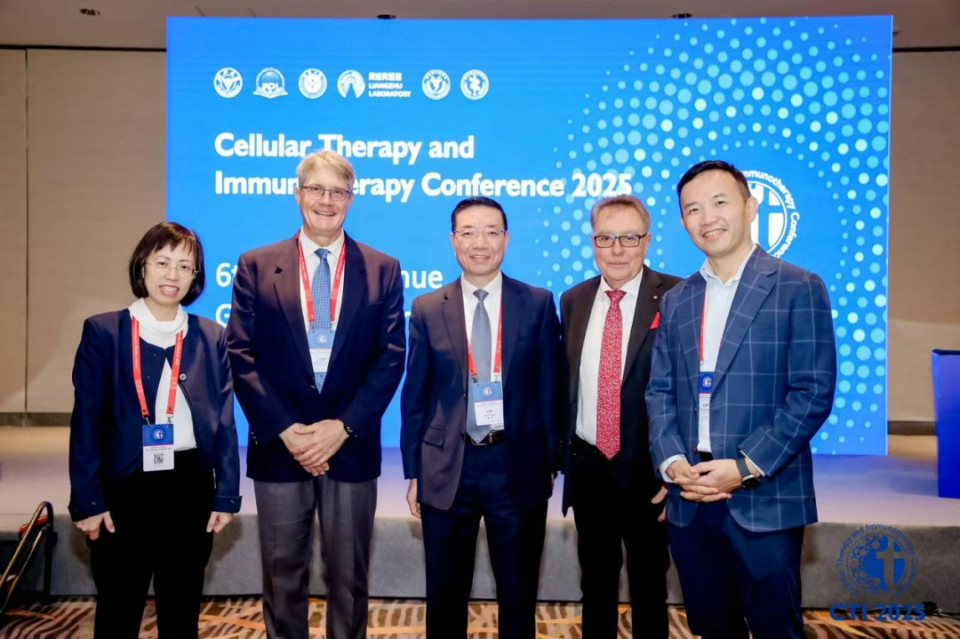
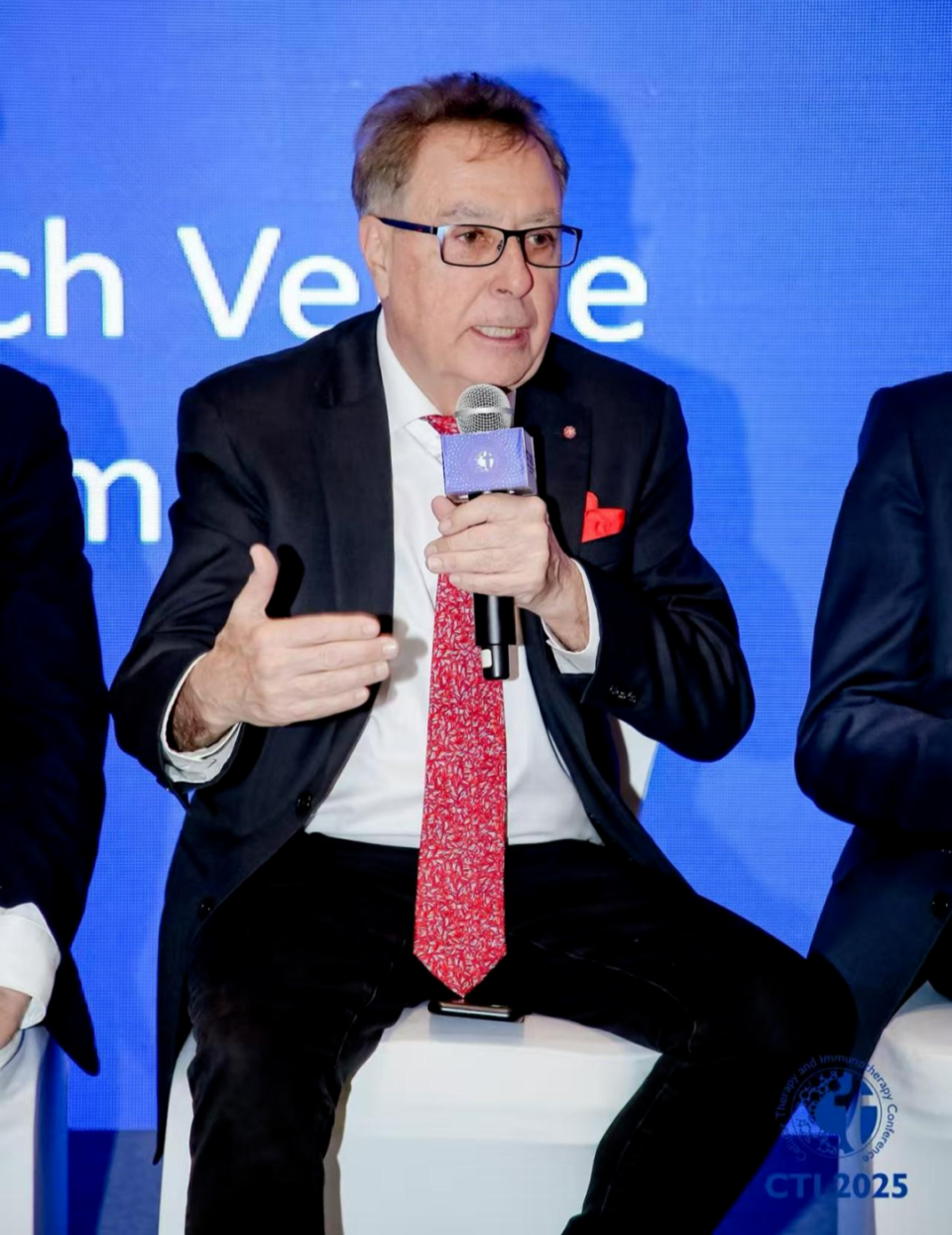
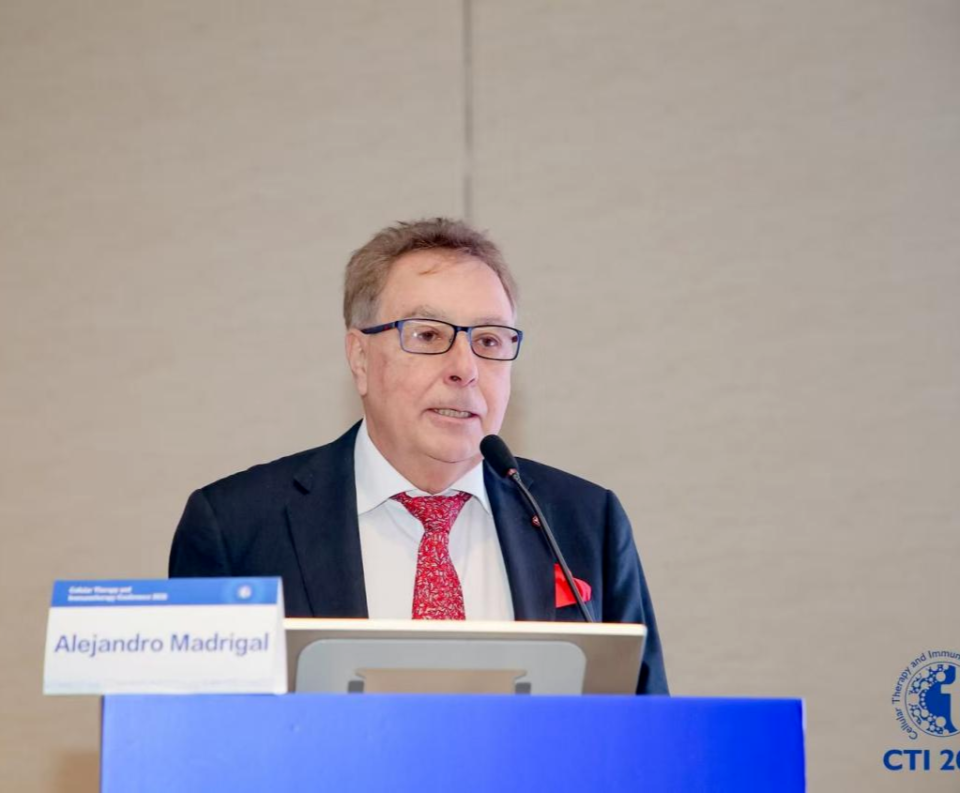
专家简介

Alejandro Madrigal教授
伦敦大学学院
教育及培训背景:毕业于墨西哥国立自治大学(UNAM),并曾于哈佛大学、斯坦福大学及伦敦大学学院(UCL)接受专业培训。
专业领域:全球免疫疗法与造血干细胞移植领域的权威学者。
现任职务:伦敦大学学院血液学教授
重要职务经历:安东尼·诺兰研究所创始人及首任科学主任;安东尼·诺兰细胞治疗中心医疗主任
学术贡献:发表超过500篇学术论文,刊载于《自然》《自然·遗传学》《柳叶刀》等顶级期刊,总被引次数约17,716次,H指数68。其研究成果深刻影响了免疫细胞疗法与造血干细胞移植的发展方向。
学术交流与人才培养:在60余个国家、250多个城市进行逾580场学术报告;指导培养超过200名医生及科研人员。
国际合作与公益贡献:曾担任伦敦大学学院美洲事务副校长,通过不懈努力推动全球范围内 donor 登记系统及脐带血库的建立。
荣誉与奖项:
获英国政府金质奖章
当选墨西哥、西班牙、拉丁美洲、美国、俄罗斯、波兰、德国、乌克兰、印度及英国等多国权威科学院院士或荣誉会员
获诺丁汉大学、瓜达拉哈拉大学、乌克兰敖德萨大学及爱沙尼亚塔尔图大学荣誉博士学位